Welcome to our travel journal, a space where we share the stories behind our journeys and the incredible places we’ve explored with incredible people. From hidden gems to iconic landmarks, this is where we document our adventures, the people we meet, and the unforgettable moments along the way. Whether it’s a serene lake, a bustling city, or a winding mountain trail, each post brings you closer to the heart of the destinations we love. Join us as we relive these experiences and inspire your own travels!
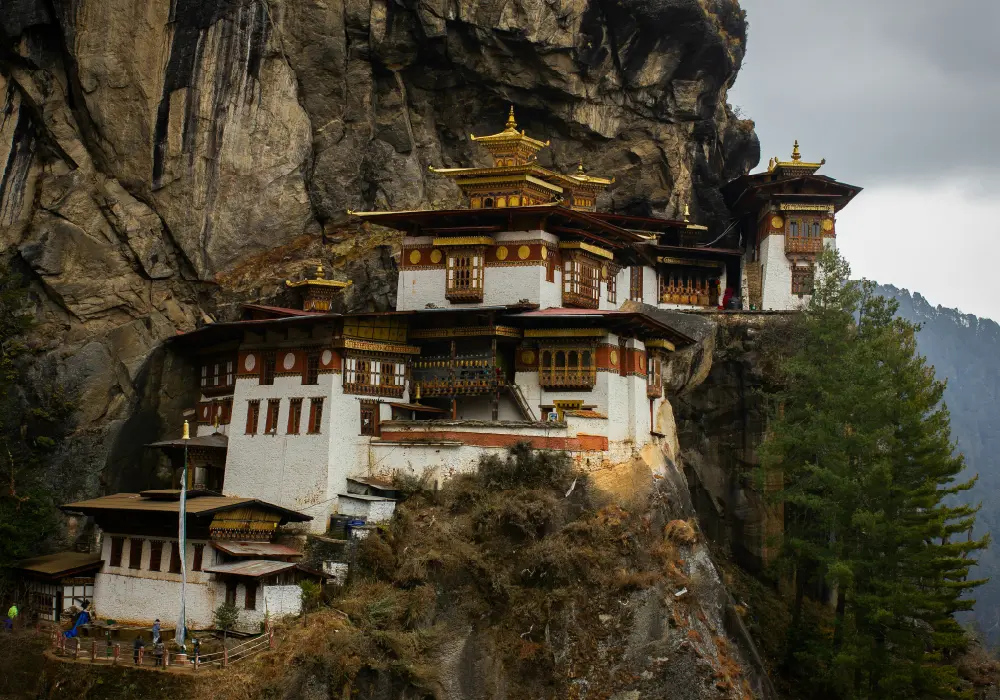
Tiger’s Nest, or Paro Taktsang, is a sacred Buddhist monastery perched dramatically on a cliffside in Bhutan’s Paro Valley, nearly 3,000 feet above the valley floor. Built in 1692, it marks the site where Guru Padmasambhava, credited with introducing Buddhism to Bhutan, is said to have meditated in the 8th century. The monastery’s stunning architecture and breathtaking location make it one of Bhutan’s most iconic landmarks and a popular pilgrimage site.
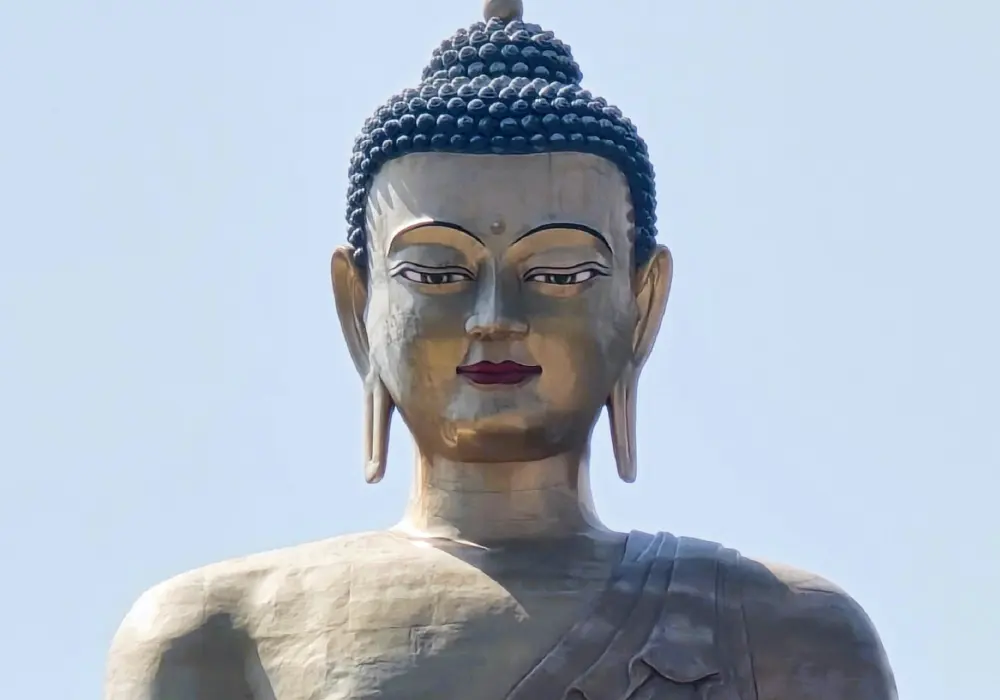
Buddha Dordenma, commonly known as Buddha Point, is a majestic statue overlooking Bhutan’s capital, Thimphu. Standing at 169 feet, it is one of the largest Buddha statues in the world, radiating peace and serenity across the valley. Constructed to commemorate the 60th anniversary of Bhutan’s fourth king, it symbolizes the harmonious blend of tradition and modernity. Inside the statue are thousands of smaller Buddha statues, each meticulously crafted in bronze and gilded with gold.
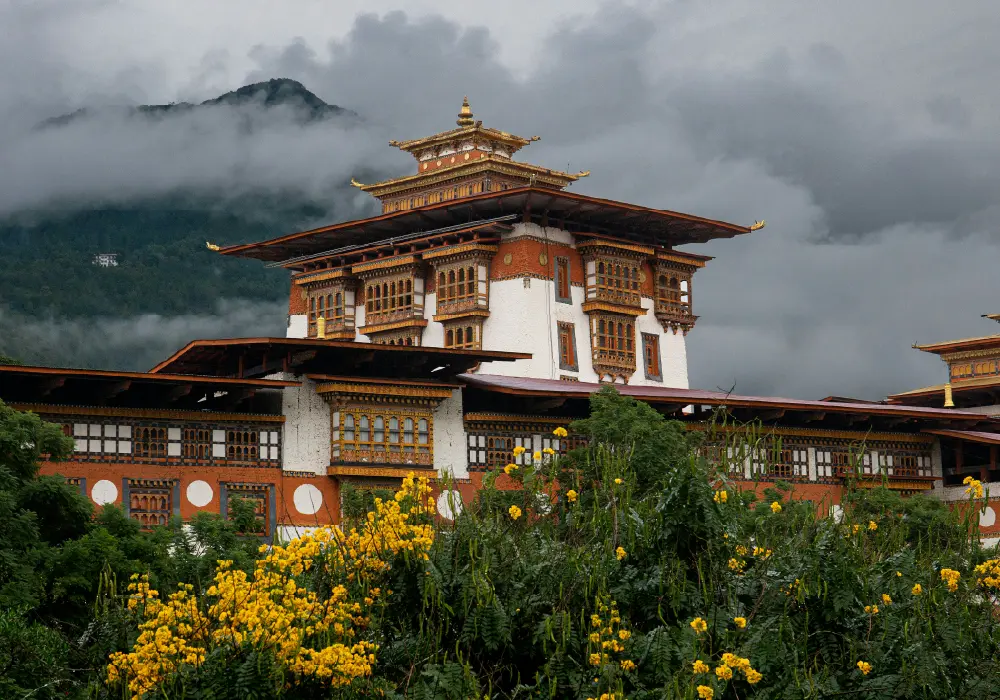
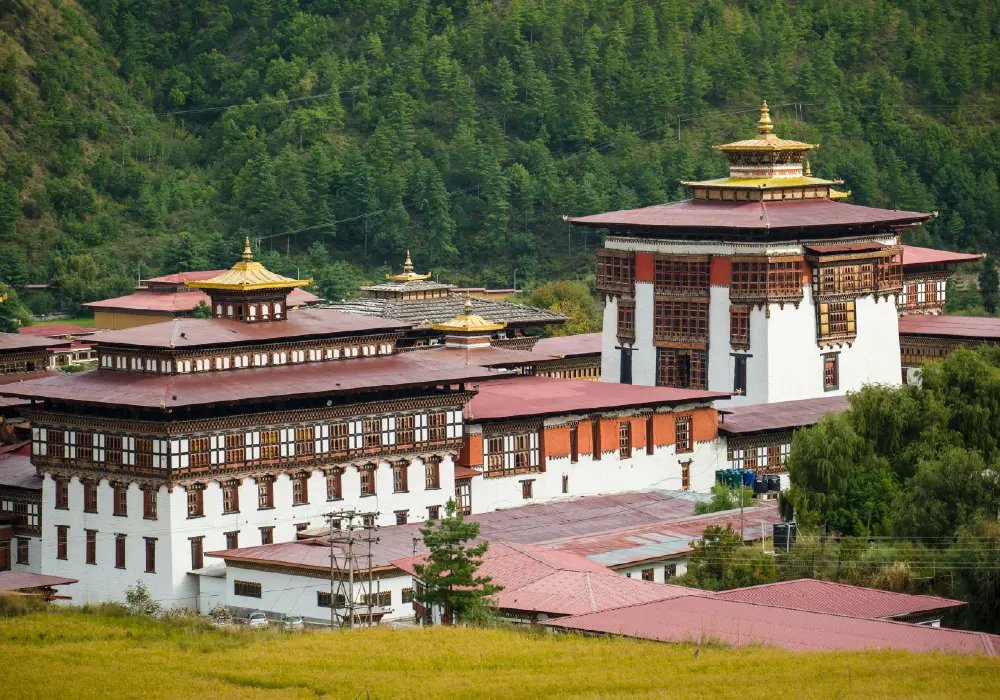
Punakha Dzong, also known as Pungthang Dewa Chenpoi Phodrang (Palace of Great Happiness), is one of Bhutan’s most iconic and historically significant landmarks. Situated at the confluence of the Pho Chhu and Mo Chhu rivers, this stunning fortress-monastery is renowned for its majestic architecture, intricate woodwork, and vibrant murals. Punakha Dzong remains a symbol of Bhutanese culture and spirituality, hosting important ceremonies, including the coronations of Bhutanese kings.
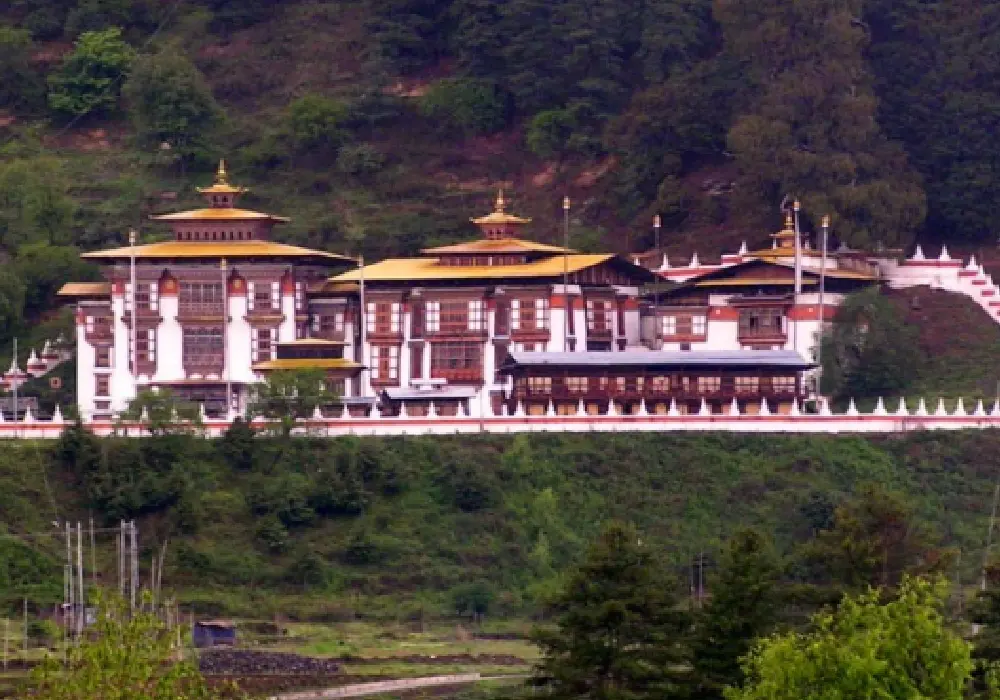
Kurjey Lhakhang, built in the 17th century, is a remarkable site encompassing three main temples. The first temple houses a striking relic: a rock that bears the imprint of Guru Rinpoche (Padmasambhava), a revered figure in Tibetan Buddhism who is credited with bringing Buddhism to Bhutan. As we stepped inside, the atmosphere was palpable with history and spirituality.
We lit butter lamps and offered prayers, feeling a sense of tranquility wash over us.
The journey began with a scenic hike through lush terraced fields and vibrant forests. The crisp mountain air invigorated our spirits as we meandered along well-marked trails, surrounded by the sounds of nature. Along the way, we encountered friendly locals who greeted us with warm smiles and curious glances, adding a personal touch to our experience.
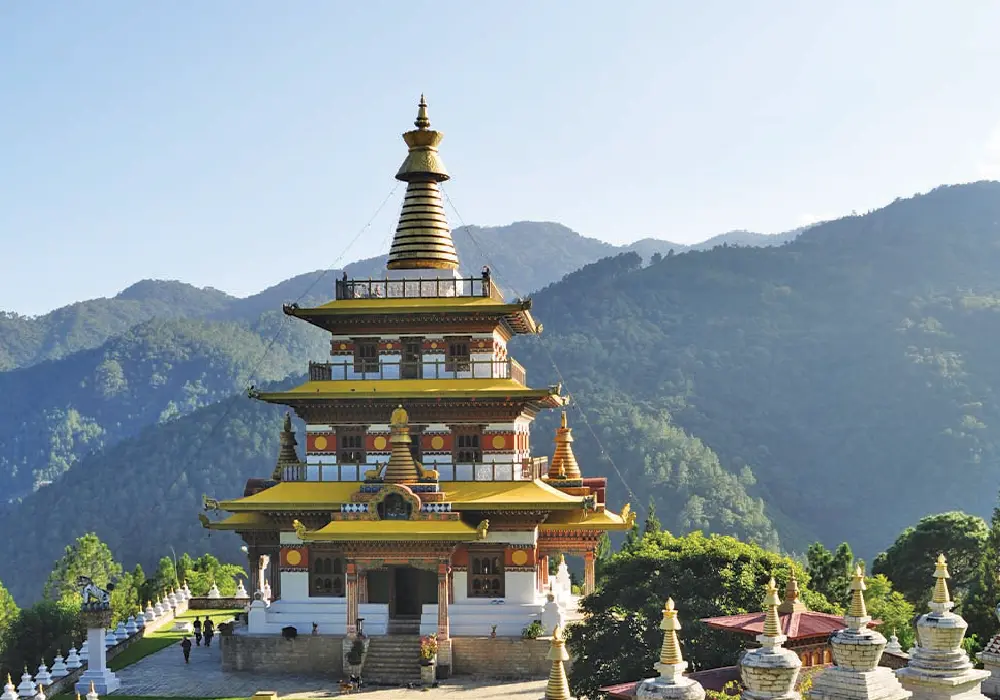
After about an hour of hiking, we reached the temple, and what a sight it was! Built in 1990
Upon entering the dzong, we were greeted by the serene atmosphere that permeates the grounds. The air was fragrant with the scent of incense, and the soft sounds of monks chanting echoed through the corridors, creating an ambiance of tranquility. We took our time wandering through the courtyards, admiring the ornate murals depicting Buddhist teachings and the vibrant prayer flags fluttering in the gentle breeze.